When I first signed up for this class, I was absolutely dreading it...all I thought to myself was, I just need to get through my last Gen Ed. However, I am now glad I “had” to take this class. I never thought I would admit that I actually enjoyed most of the material, especially since I don’t enjoy reading whatsoever. I liked Professor Mortimore’s spin of literature. I thought it was going to be a boring semester reading classical literature, but she quickly proved me wrong. I have learned so much over the course of the semester. I don’t even know where to begin… we have covered so many themes throughout this semester that directly relate to our society today. We have covered mass advertising, consumerism, technology, voyeurism, dystopias, censorship, etc.
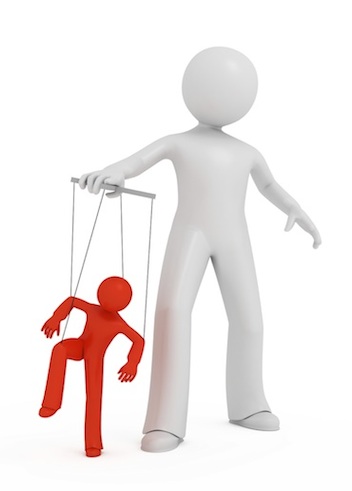
Some ideas that have helped activate, motivate, and inspire in some way was the whole idea of consumerism and what our society has come to. We started off the semester with Culture Jam, which was a big eye opener. I learned how influenced we as it pertains to consumerism and how we are “controlled.” Our society has gotten to the point where young children cannot identify a cross, but can easily identify the yellow arches for McDonalds. What are we doing wrong in our society and how can we stop it? We no longer know what to do in nature without our technology.. it’s sad, it really is. Culture Jam was a harsh reality and it really disturbed me.
The second novel we read was Feed, which was my second favorite novel we read this semester. I liked how it took place in the future and gave a sneak preview of what the future could look like if we continued on the path we are on. The concept of a “feed” blew me away—it was basically a network where you could communicate with your friends, watch programming, and see advertisements. To me, it incorporates all of our technology driven needs. Then I liked how in the end it showed how someone’s feed could malfunction and completely shut down their whole body. I thought this symbolized how bad things are bound to happen if people are that dependent on something. In both of these novels, the consumerism and dependence on technology was the theme.
The third novel we read was 1984. I had never read 1984 before, unlike other members in our class. I found it to be pretty interesting how the Party and Big Brother controlled every aspect of their civilization. It was easy to relate it to other countries in the world. It’s scary to think that in this society they could not write or talk about their feelings. They lived in constant fear because the Party watched and scrutinized every single moment in their lives. I could not even begin to imagine what it would be like if someone watched every single second of my life. The fourth novel we read was Hunger Games and was by far the best book we read in this class. I got sucked right into it! In this novel too, there was a clear controlling factor. The Capitol controlled every District and reminded them that through the Hunger Games. They also controlled the rules of the game, when the tributes would receive things from their sponsors, and when to create action. The last and final novel we read was Fahrenheit 451. This was my least favorite novel. I found a lot of similarities between this novel and 1984. In both novels there was a clear theme of censorship. The whole idea of censorship and tight control of a society really bothered and angered me. I would HATE to have to live in fear and not be able to express my opinions and views. We have the ability to read what we want, write what we want, and to express whatever views we want. Utilize the privilege!
Since I never read books on my own, I never really found myself responding to literature. The books chosen for class, along with all the other readings, really sparked my interest. I like how each of the novels was chosen for a reason and how all the themes tie into each other. If I were to read a novel on my own, I would probably choose a murder novel or something because I like to play “detective” and guess who did it. In those kind of novels, I never really find myself responding to anything.. I have now learned to really read in depth, beyond the words and to think about the contents. The issues we have encountered and discussed in class have solidified some of my own beliefs and have helped me build new beliefs. I knew our society was in trouble as far as consumerism goes, but after reading Baurerlein’s article along with documentaries, it really sent me over the edge. We have a problem in our society. I can’t stop thinking about the concept of plentitude… we ALWAYS do want more.
I could go on and on about what I learned in this class and how the material shaped how I feel about certain things. In a way, this class provided me with some sort of reality check. We need to really think about what we value and if these things are even worth valuing. We care about the little things in life and constantly are not satisfied with our lives. We need to look around and realize what we have—most freedoms and rights, a society for the most part without censorship (compared to other places in the world), people around us, and our possessions. We have so much, but think it’s so little. After this semester, I have come to terms with what I should be thankful for and ways in my life I need to change.